-

CT12872BB1067.9FSD1 - Crucial Technology 1GB DDR3-1066 ECC Single-Rank RDIMM
In stock
$109.99 (Inc. Sales Tax)$109.99 (Ex. Sales Tax) -
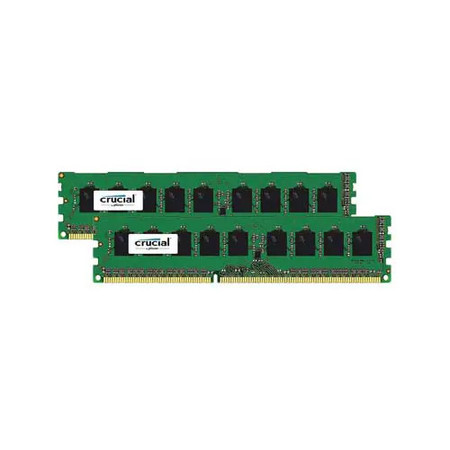
CT12872BB1067S - Crucial Technology 1GB DDR3-1066MHz ECC Registered 240-Pin DIMM
In stock
$109.99 (Inc. Sales Tax)$109.99 (Ex. Sales Tax) -

CT12872BB1339S - Crucial Technology 1GB DDR3-1333MHz ECC Registered 240-Pin DIMM
In stock
$92.99 (Inc. Sales Tax)$92.99 (Ex. Sales Tax) -

CT12872BB1339S.9FF1 - Crucial 1GB DDR3-1333MHz ECC Registered 240-Pin DIMM
In stock
$92.99 (Inc. Sales Tax)$92.99 (Ex. Sales Tax) -

CT12872BB1339S.9FG1 - Crucial 1GB DDR3-1333MHz ECC Registered 240-Pin DIMM
In stock
$92.99 (Inc. Sales Tax)$92.99 (Ex. Sales Tax) -
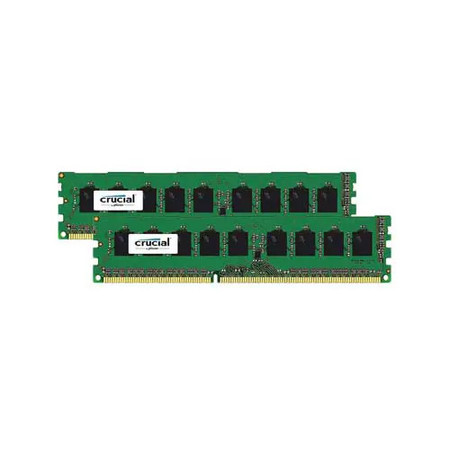
CT12872BB1339S.9SFD1 - Crucial 1GB DDR3-1333MHz ECC Registered 240-Pin DIMM
In stock
$92.99 (Inc. Sales Tax)$92.99 (Ex. Sales Tax) -

CT12872BD1339 - Crucial Technology 1GB DDR3-1333MHz ECC Unbuffered 240-Pin DIMM
In stock
$118.99 (Inc. Sales Tax)$118.99 (Ex. Sales Tax) -
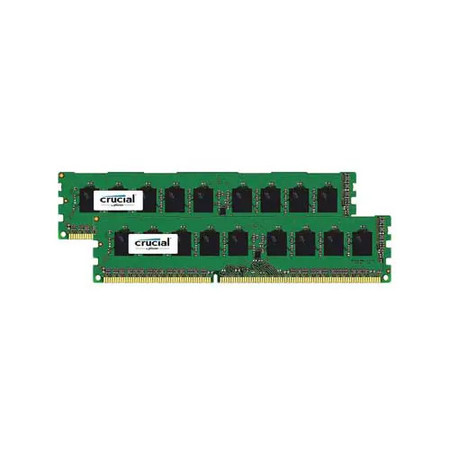
CT12872BQ1339S - Crucial Technology 1GB DDR3-1333MHz ECC Registered 240-Pin DIMM
In stock
$92.99 (Inc. Sales Tax)$92.99 (Ex. Sales Tax) -
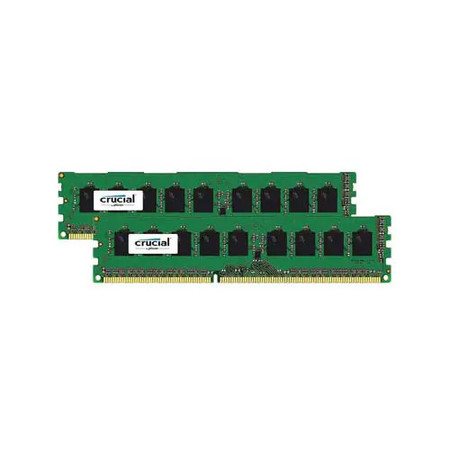
CT12872BV1339S - Crucial Technology 1GB DDR3-1333MHz ECC Registered 240-Pin DIMM
In stock
$92.99 (Inc. Sales Tax)$92.99 (Ex. Sales Tax) -

CT12872BW1339S - Crucial Technology 1GB DDR3-1333MHz ECC Registered 240-Pin DIMM
In stock
$92.99 (Inc. Sales Tax)$92.99 (Ex. Sales Tax) -

CT128G4ZFE426S.36QG1ES - Crucial 128GB DDR4-2666MHz ECC Registered LRDIMM Memory
In stock
$3,505.99 (Inc. Sales Tax)$3,505.99 (Ex. Sales Tax) -

CT128G4ZFJ426S.36QE1 - Crucial Technology 128GB DDR4-2666MHz ECC LRDIMM Memory
In stock
$3,505.99 (Inc. Sales Tax)$3,505.99 (Ex. Sales Tax) -

CT128G4ZFJ426S - Crucial 128GB DDR4-2666MHz ECC Registered LRDIMM Memory
In stock
$3,505.99 (Inc. Sales Tax)$3,505.99 (Ex. Sales Tax) -

CT128G4ZFJ426S.36QG1 - Crucial 128GB DDR4-2666MHz ECC Registered LRDIMM Memory
In stock
$3,505.99 (Inc. Sales Tax)$3,505.99 (Ex. Sales Tax) -

CT128G4ZFJ429S.36QE1 - Crucial 128GB DDR4-2933MHz ECC Registered LRDIMM Memory
In stock
$2,280.99 (Inc. Sales Tax)$2,280.99 (Ex. Sales Tax) -

CT128G4ZFJ429S - Crucial 128GB DDR4-2933MHz ECC Registered LRDIMM Memory
In stock
$2,280.99 (Inc. Sales Tax)$2,280.99 (Ex. Sales Tax) -

CT1326850 - Crucial Technology 4GB DDR2-667 PC2-5300 FB-DIMM
In stock
$119.99 (Inc. Sales Tax)$119.99 (Ex. Sales Tax) -
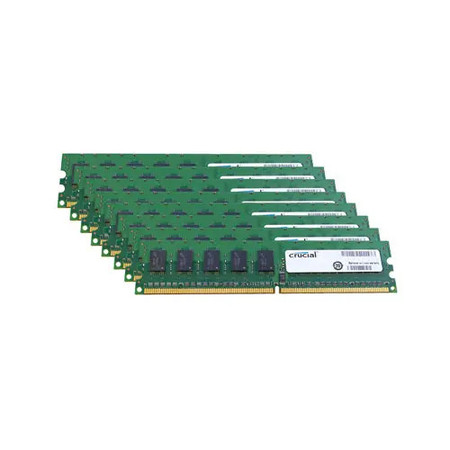
CT1326859 - Crucial Technology 64GB DDR2-667 Fully Buffered Memory Kit
In stock
$990.99 (Inc. Sales Tax)$990.99 (Ex. Sales Tax) -
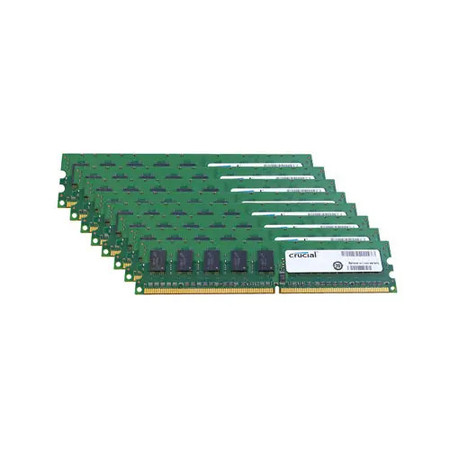
CT1326916 - Crucial Technology 64GB DDR2-667MHz ECC Fully Buffered Memory Kit
In stock
$990.99 (Inc. Sales Tax)$990.99 (Ex. Sales Tax) -

CT1326907 - Crucial Technology 4GB DDR2-667MHz Memory Module
In stock
$119.99 (Inc. Sales Tax)$119.99 (Ex. Sales Tax) -

CT1326938 - Crucial Technology 4GB DDR2-667 Memory Module
In stock
$119.99 (Inc. Sales Tax)$119.99 (Ex. Sales Tax) -

CT1326947 - Crucial Technology 64GB DDR2-667MHz FB-DIMM Kit
In stock
$990.99 (Inc. Sales Tax)$990.99 (Ex. Sales Tax) -

CT1326998 - Crucial Technology 4GB DDR2 Memory Module
In stock
$119.99 (Inc. Sales Tax)$119.99 (Ex. Sales Tax) -

CT1327058 - Crucial Technology 4GB DDR2 Server Memory
In stock
$119.99 (Inc. Sales Tax)$119.99 (Ex. Sales Tax)
Server Memory
Buying guideBuying guide
RDIMM vs. LRDIMM: Selecting the Right Architecture for Multi-Socket Servers
Registered DIMMs (RDIMMs) buffer address and command signals for balanced performance across standard 16GB, 32GB, and 64GB capacities. Load-Reduced DIMMs (LRDIMMs) buffer data lines as well, enabling ultra-high 128GB–256GB per-slot capacities - but the two types can never be mixed inside the same server.
Why Balanced Channel Population Unlocks Full Xeon and EPYC Bandwidth
Modern server CPUs address 6, 8, or 12 memory channels per socket. Installing an uneven DIMM count across channels forces asymmetric memory interleaving and cuts real-world memory throughput. Our specialists help you populate matched kits evenly across CPU1 and CPU2.
Frequently asked questions
Can I mix RDIMM and LRDIMM server RAM inside the same server?
No. Registered DIMMs (RDIMM) and Load-Reduced DIMMs (LRDIMM) use incompatible buffering architectures and cannot be mixed in the same server. Always populate a server exclusively with RDIMMs or exclusively with LRDIMMs.
Why does balanced channel population matter for server memory performance?
Modern Intel Xeon and AMD EPYC CPUs use 6, 8, or 12 memory channels per socket. Installing an unbalanced count of DIMMs (for example, 3 sticks instead of 6 or 8) forces asymmetric fallback and noticeably reduces memory bandwidth.
What is ECC memory and why is it mandatory for enterprise servers?
ECC (Error-Correcting Code) server memory detects and corrects single-bit memory errors on the fly before they cause silent data corruption, hypervisor kernel panics, or database crashes.
Specialist support
Not sure which part you need?
Send the model or part number and a hardware specialist replies within one business day.