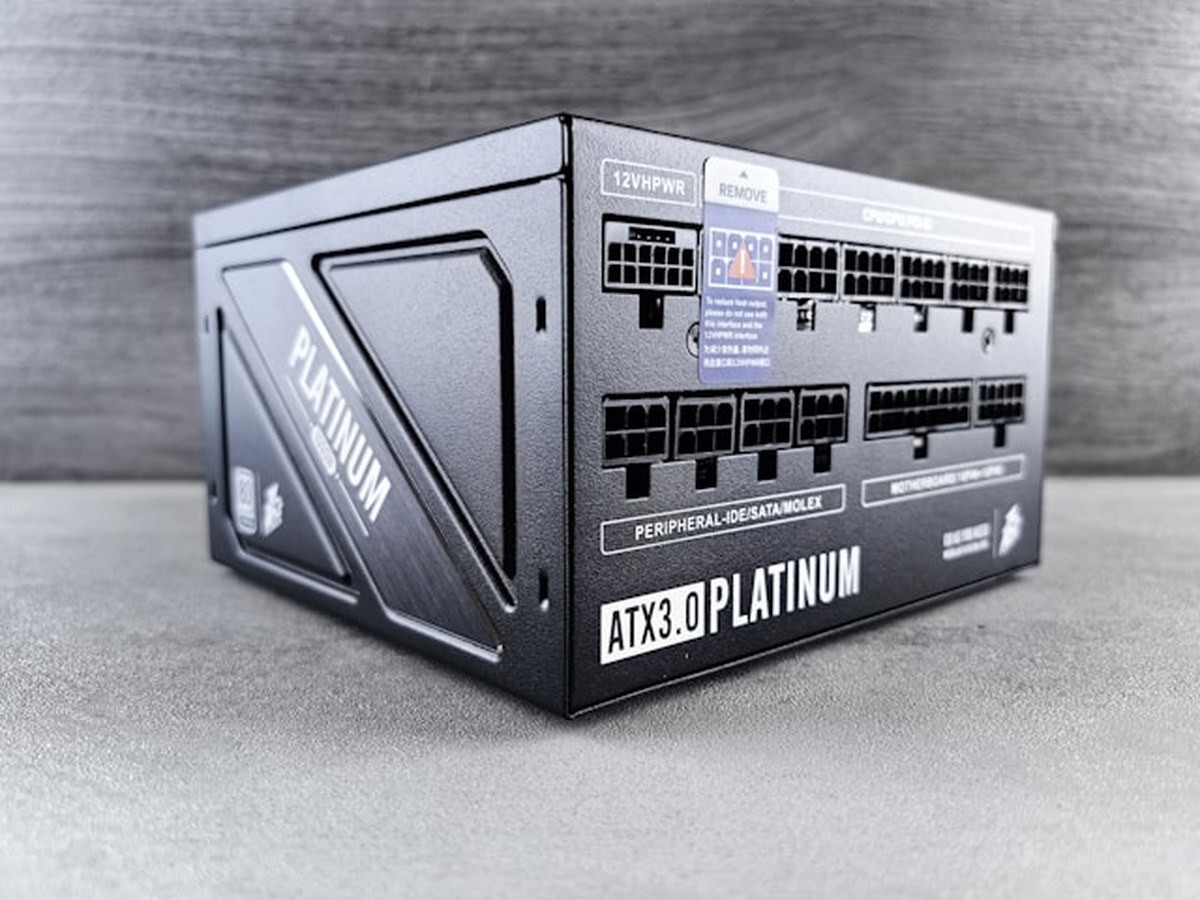
-

SY10K40F - APC 10000W 208V 3-Phase UPS
$15,623.99 (Inc. Sales Tax)$15,623.99 (Ex. Sales Tax) -

9PXM8S16K - EATON 16000VA 14400W 208-240V 8-Outlet UPS
$12,393.99 (Inc. Sales Tax)$12,393.99 (Ex. Sales Tax) -

SRT6KRMXLI - APC 6kVA 6kW Online Rackmount 4U UPS
In stock
$12,102.99 (Inc. Sales Tax)$12,102.99 (Ex. Sales Tax) -

SRT6KXLI - APC 6000VA 6000W Double Conversion Online UPS
In stock
$9,789.99 (Inc. Sales Tax)$9,789.99 (Ex. Sales Tax) -
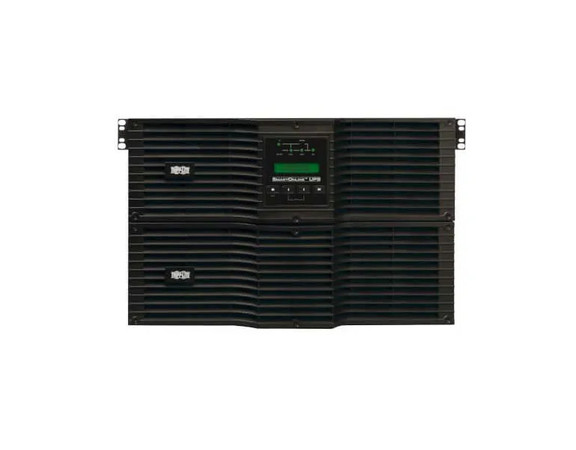
SU10000RT3UG - TRIPP LITE 10kVA 9000W 200-240V Tower UPS
In stock
$8,779.99 (Inc. Sales Tax)$8,779.99 (Ex. Sales Tax) -
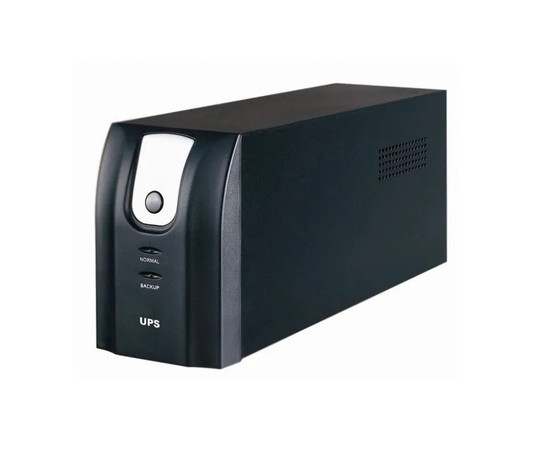
ITA2-10KRT208C - Liebert Rackmount UPS
In stock
$7,413.99 (Inc. Sales Tax)$7,413.99 (Ex. Sales Tax) -
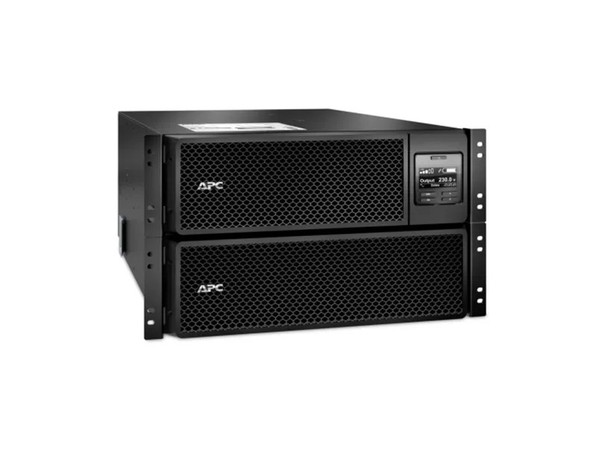
SRT10KRMXLI - APC 10000VA 10000W 230V 6U Rackmount UPS
In stock
$7,068.99 (Inc. Sales Tax)$7,068.99 (Ex. Sales Tax) -
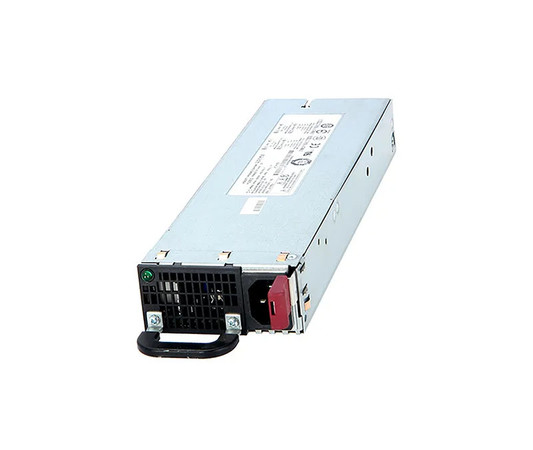
MX2K-PSM-HV-R - Juniper 277V AC 380V DC High Voltage Redundant Power Supply
In stock
$6,465.99 (Inc. Sales Tax)$6,465.99 (Ex. Sales Tax) -
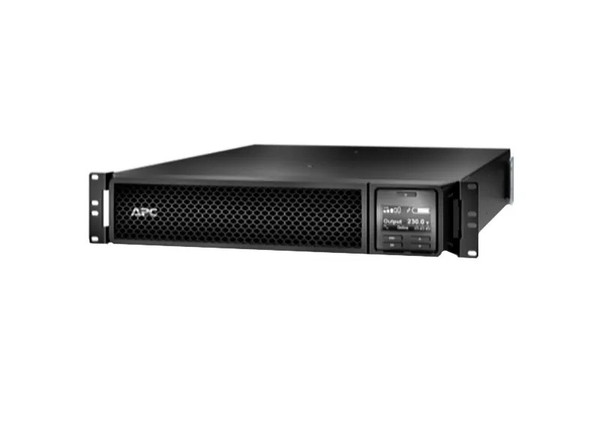
SRT3000RMXLW-IEC - APC 3000VA 2700W Rack-Mountable UPS
In stock
$6,320.99 (Inc. Sales Tax)$6,320.99 (Ex. Sales Tax) -
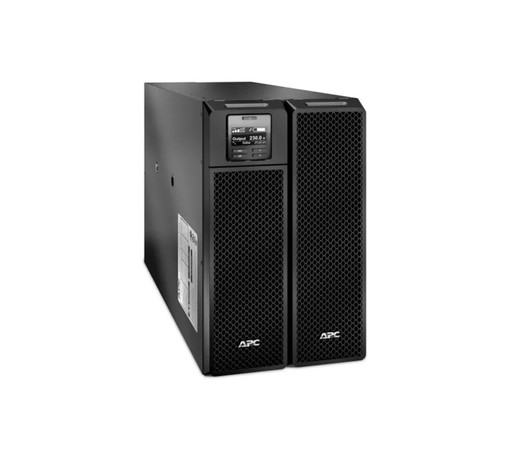
SRT10KXLI - APC 10000VA 10000W Double Conversion Online UPS
$6,037.99 (Inc. Sales Tax)$6,037.99 (Ex. Sales Tax) -

AF431A - HPE 8kVA 8000VA 30A 3-Phase Rack UPS
$5,831.99 (Inc. Sales Tax)$5,831.99 (Ex. Sales Tax) -
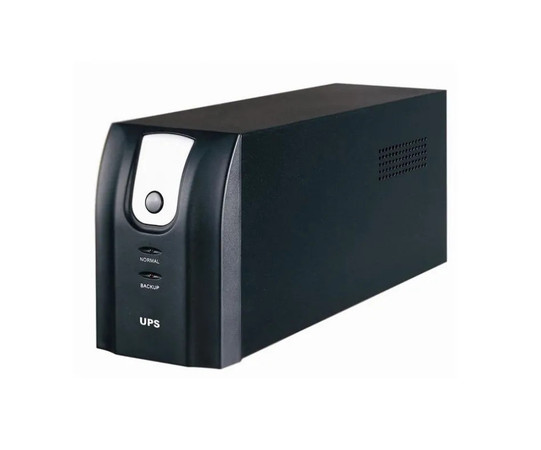
438760-001 - HP 8kVA 3-Phase Rack-Mountable UPS
In stock
$5,831.99 (Inc. Sales Tax)$5,831.99 (Ex. Sales Tax) -

BP240V135 - Tripp Lite UPS Battery Cabinet Tower System
$5,704.99 (Inc. Sales Tax)$5,704.99 (Ex. Sales Tax) -
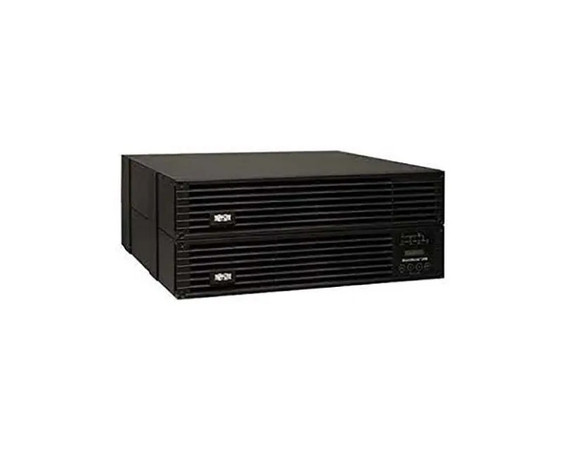
SU6000RT4UHVG - TRIPP LITE 6kVA 5400W 230V 4U Rack/Tower UPS
In stock
$5,615.99 (Inc. Sales Tax)$5,615.99 (Ex. Sales Tax) -
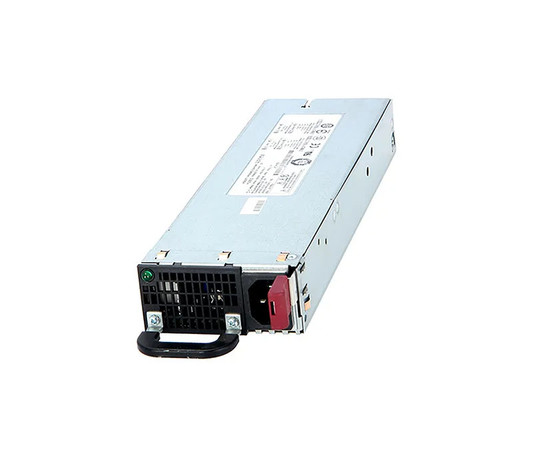
MX960-PSM-HV-R - Juniper Networks High Voltage Redundant Power Supply
In stock
$5,543.99 (Inc. Sales Tax)$5,543.99 (Ex. Sales Tax) -

MX960-PSM-5K-AC-R - Juniper Networks 5000W Redundant AC Power Supply
In stock
$5,543.99 (Inc. Sales Tax)$5,543.99 (Ex. Sales Tax) -
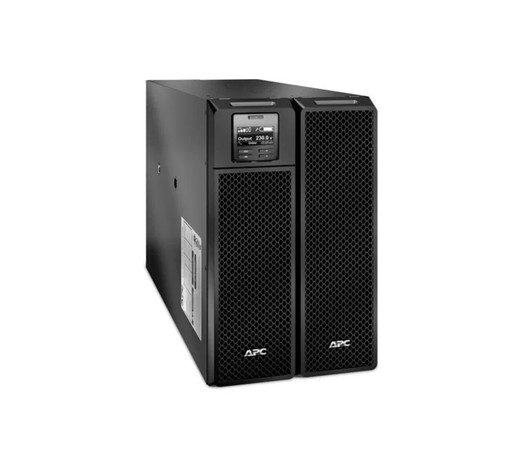
SRT8KXLI - APC 8000VA 8000W 230V Online UPS
$5,542.99 (Inc. Sales Tax)$5,542.99 (Ex. Sales Tax) -

394420-001 - HP 4000W AC Power Supply
In stock
$5,533.99 (Inc. Sales Tax)$5,533.99 (Ex. Sales Tax) -
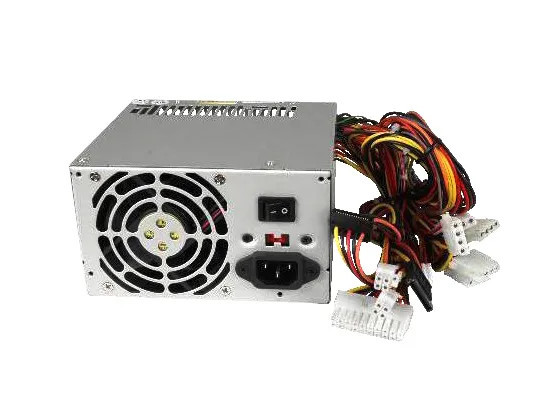
MX2K-PSM-HV-S - Juniper Networks 277V AC 380V DC High Voltage Power Supply
In stock
$5,530.99 (Inc. Sales Tax)$5,530.99 (Ex. Sales Tax) -

JNP-PWR2200-HV - Juniper Networks 2200W High Voltage Power Supply
In stock
$5,267.99 (Inc. Sales Tax)$5,267.99 (Ex. Sales Tax) -

9PX8KSP - EATON 8000VA 208V 6U Rackmount UPS
$5,257.99 (Inc. Sales Tax)$5,257.99 (Ex. Sales Tax) -

SRX5800-HPWR-DC-R - Juniper High-Capacity DC Power Supply
In stock
$5,174.99 (Inc. Sales Tax)$5,174.99 (Ex. Sales Tax) -

SRX5800-HPWR-AC-R - Juniper High-Capacity AC Power Supply
In stock
$5,174.99 (Inc. Sales Tax)$5,174.99 (Ex. Sales Tax) -

SRX5600-HPWR-DC-R - Juniper Networks High Capacity DC Power Supply
In stock
$5,174.99 (Inc. Sales Tax)$5,174.99 (Ex. Sales Tax)
Buying guide
How UPS Units, Rack PDUs, and Redundant PSUs Work Together
Resilient rack power separates backup conditioning from outlet distribution. A computer UPS filters utility surges and sustains battery load during blackouts, a rack PDU distributes that conditioned power across outlets while metering branch amperage, and redundant 80+ Platinum server PSUs protect against internal power supply failure.
How Much Headroom Should You Size Into Your Power Infrastructure?
Calculate total steady-state Watt draw across connected servers, storage arrays, and PoE switches, then size UPS capacity at least 20–30% above peak load. Similarly, keep continuous rack PDU branch loads under 80% of rated breaker amperage to avoid nuisance trips.
Frequently asked questions
What is the difference between a PDU and a UPS?
A UPS (Uninterruptible Power Supply) contains batteries and surge circuitry to keep equipment running during utility blackouts and brownouts. A PDU (Power Distribution Unit) does not store battery power - it distributes AC power from a UPS or wall circuit to multiple rack devices, often adding load metering or remote outlet switching.
How do I calculate the total VA/Wattage needed for a computer UPS?
Sum the actual draw (Watts) of all connected servers, switches, and monitors, then select a UPS rated at least 20–30% above that load to allow battery aging headroom and adequate runtime for graceful shutdowns.
How often should UPS battery cartridges be replaced?
Sealed lead-acid (VRLA) UPS batteries typically last 3 to 5 years in climate-controlled 77°F (25°C) environments, or shorter in warm closets. Replacing cartridges proactively prevents sudden runtime drops during power events.
Specialist support
Not sure which part you need?
Send the model or part number and a hardware specialist replies within one business day.